
On 12 December 2023, members and observers of the Sahel Alliance, think-tanks and researchers from the region will meet in Brussels to gain a better understanding of the origins of the crises and how they are fuelled, and to question the relationship between international partners and Sahelian states in this new context.
Background
The Sahel region is facing multiple crises: political instability, escalating violence and an alarming increase in food insecurity, not to mention the negative impacts of climate change, are displacing millions of people, increasing their vulnerability and undermining social cohesion.
This context, and the uncertainty associated with it, challenges the regional dynamic, weighs on the ability to implement committed development projects and severely affects populations, particularly the most vulnerable.
It calls for increased attention to developments in the humanitarian situation, particularly in the central Sahel, and for in-depth reflection on potential development actions for the direct benefit of populations.
Bearing this in mind, the Sahel Alliance met on 27 September 2023 on the occasion of its 12th Operational Steering Committee and on 12 October 2023 at a high-level event alongside the Annual Meetings of the World Bank and the IMF, to discuss the situation in Niger, the regional context and, in this new situation, to put its activities into perspective.
These key moments for the Alliance reaffirmed the strategic priorities adopted by the General Assembly on 10 July:
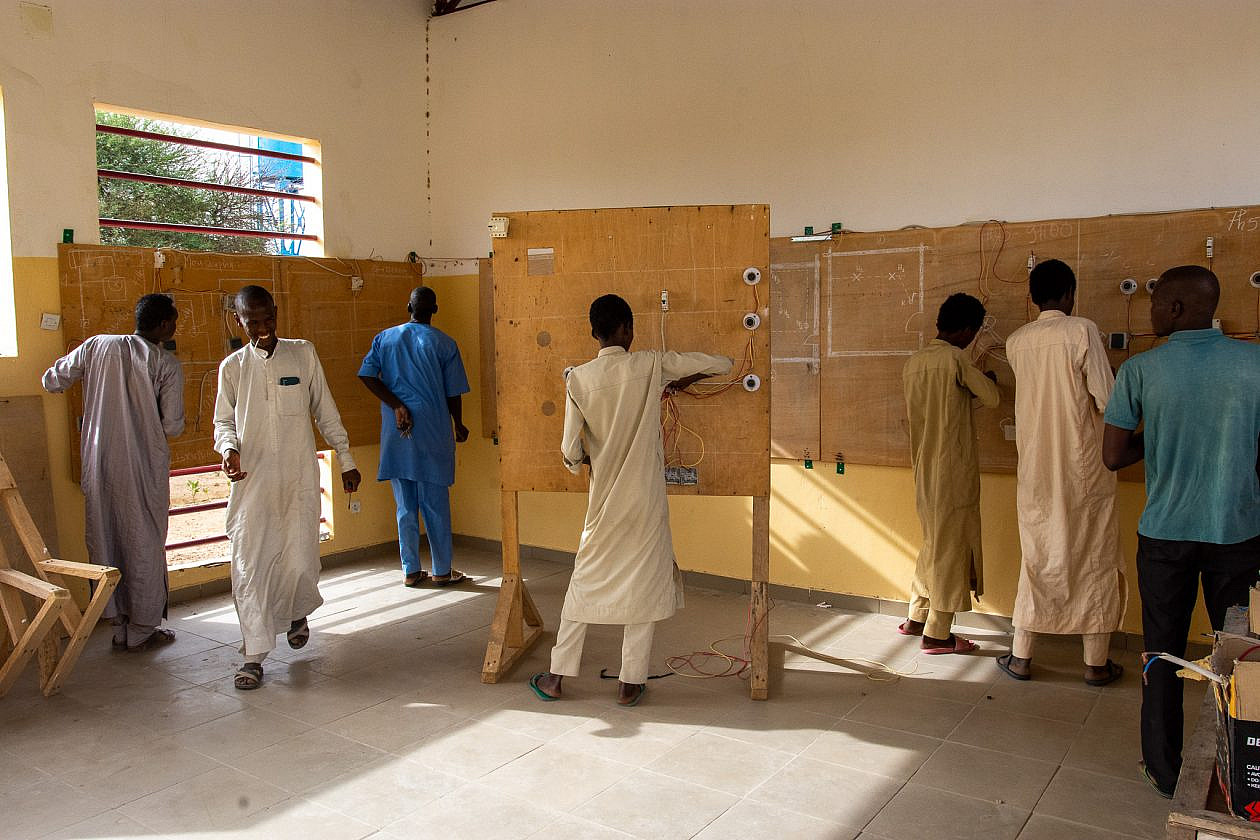
- creating employment and income opportunities through education, training, skills development and entrepreneurship
- building resilience to shocks, particularly those linked to the effects of climate change
- regional development and access to basic services.
The discussions provided an opportunity to exchange views on the various possibilities for collective action that could be considered in the short term from the angle of the triple nexus of security, humanitarian aid and development or, in the medium term, by promoting joint initiatives on a selective agenda. It was also suggested that there should be time for consultation and shared reflection on the underlying causes and drivers of the crises in the Sahel, as well as on the ability to respond collectively to the needs of the populations. This seminar is organised with this perspective in mind.
Issue
The challenges facing the Sahel are numerous, complex and interdependent. The spread of violent extremism and the multiplication of community crises in the region were rooted in the Sahelian states’ difficulty in forming a nation, controlling the territory and delivering the services expected by their citizens.
First (round table 1), this seminar will focus on understanding the origins of crises and how they are fuelled, in order to shed light on the current situation. In particular, it will look at the complex relationship between governance, political crisis and security crisis, and examine the conditions required to promote a sustainable social contract within Sahelian societies.
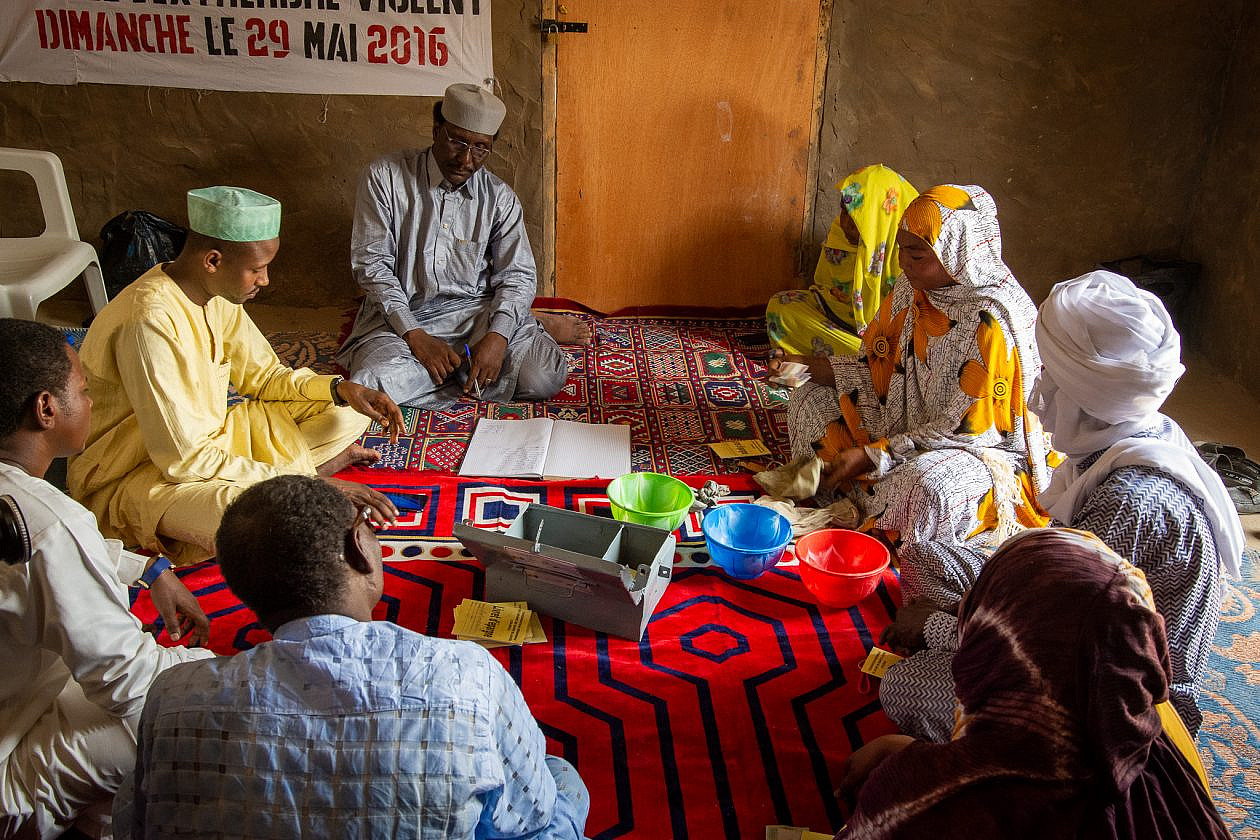
Subsequently (round table 2), it will also provide an opportunity to question the relationship of international partners with Sahelian states in this new context. It will examine ways of supporting communities and delivering basic services. It will attempt to draw lessons from past experience in order to identify the levers for action that can be used to reduce the economic, social and political divide.
Objectives
- Discussions with researchers, particularly from the Sahel, on i) analysing the root causes of the crises in the Sahel; ii) and how international development partners need to rethink their commitment, in anticipation and less in reaction, to help break the cycle of instability in the region.
- Promoting and sharing studies, in particular those carried out by members of the Sahel Alliance in relation to the seminar theme.
- Forward-thinking that will enable development players to provide more appropriate responses to people’s situations and needs.